
Read time: 4 minutes
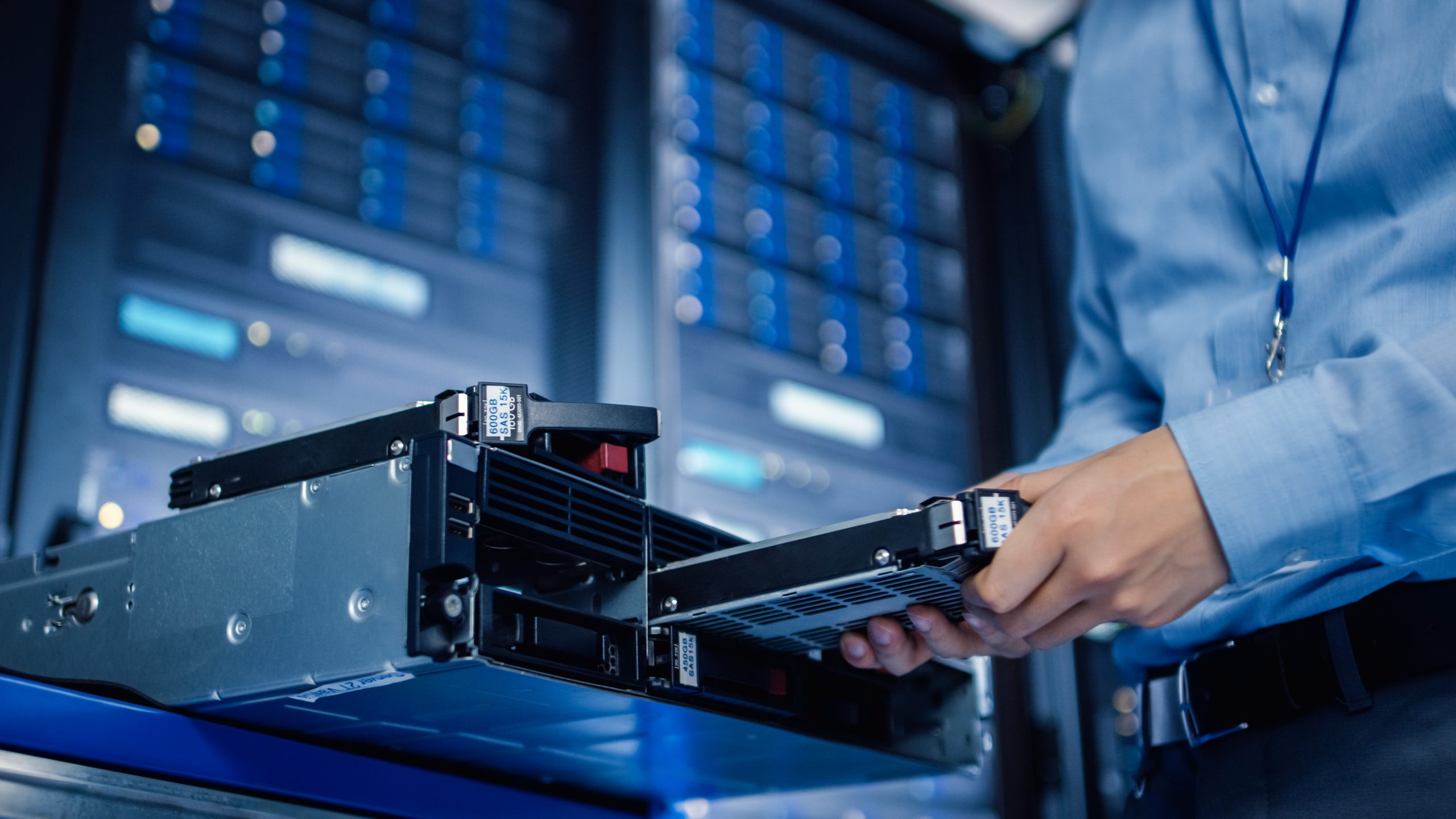

The data center buildout is creating more on-site work across more markets. As new facilities move from construction into operation, the work continues through upgrades, repairs, and ongoing service.
Field service organizations serving data center operators need to support a broader footprint, often faster than they can establish local technician coverage. Specialized skills, site requirements, and tight response times can further narrow which technicians are the right fit.
For field service leaders, that means paying closer attention to where demand is moving, what skills and qualifications the work requires, and how to maintain technician continuity as service needs grow.
Data center development is spreading beyond the industry’s established hubs. JLL’s Midyear 2026 North America Data Center Report found that 77% of North American data center capacity under construction is now in frontier markets outside traditional hubs like Northern Virginia, Dallas-Fort Worth and Silicon Valley. These fast-growing markets include West Texas, Ohio, Louisiana, Indiana, and the Carolinas.
Field Nation data points to rising field service activity in those same areas. Across the six states associated with JLL’s frontier markets, data center work order volume on Field Nation has grown 512% since 2024.
That growth is part of a broader increase in data center field service activity. Overall, data center work order volume increased 216% over the past five years.
Much of today’s data center work is still concentrated in a handful of states. Texas accounts for 20.6% of data center work order volume, followed by Virginia at 8.1% and California at 7.6%, while volume is also expanding into emerging metros in other states.
Tracking where development is headed gives field service teams more time to establish local coverage before demand ramps up.
Data center work can require expertise in server hardware, networking, fiber, liquid cooling, GPU infrastructure, or OEM-specific systems. A technician with data center experience may still lack the certification, tooling, or system-specific background a particular scope requires.
More than half of respondents to Uptime Institute’s 2026 Global Data Center Survey reported having difficulty finding qualified candidates for open positions. Pairing experienced leads with supporting technicians on site can help expand the pool of technicians with hands-on data center experience while maintaining experienced oversight.
On Field Nation, cabling, networking, and server/storage account for nearly 89% of data center work orders. Network equipment installation, network troubleshooting, and low-voltage cable pulling and installation are among the most common skills.
Experience alone may not be enough. Depending on the work, technicians may also need licensing, specific certifications such as CompTIA Network+, Cisco CCNA, Dell DCSE, or fiber optics credentials, and specialized tools. A technician may have fiber experience, for example, but still need specific equipment to complete the work.
For field service leaders, coverage planning needs to account for the skills, credentials, and tools required at each site, not just the number of technicians nearby.
Data center sites often have specific access requirements. Depending on the customer and location, technicians may need background checks, credentials, site-specific clearances, or other screening before they can begin work.
Those requirements matter more when response times are tight. Bringing in a new technician may require another round of qualification, onboarding, or site familiarization before work can begin.
For recurring work, returning technicians typically already understand the site, its systems, access requirements, and customer expectations. That familiarity can reduce the amount of ramp-up required for each visit.
Building a bench of proven technicians who know key sites can make it easier to respond when repeat or urgent work comes up.
The data center buildout is pushing field service teams to plan across more markets, account for more specialized requirements, and build continuity at sites with recurring work.
See how Field Nation can support your data center labor strategy.